
Leadership Series: Earthbound: The First B Corp in Croatia
Can a startup achieve a 65% lower carbon footprint than the industry average? Discover how Earthbound integrates scientific ecology into business operations and why they view B Corp certification as a critical management tool for global expansion.
Strategic Greenhouse’s Leadership Series features conversations with founders and executives behind B Corp companies and projects, focused on real-world insights and hard-earned learnings. Through these candid interviews, we explore how these leaders embed their mission statements and principles directly into business strategy, integrating them into decision-making, operations, and sustainable culture rather than treating them as marketing slogans.
Earthbound: The First B Corp in Croatia
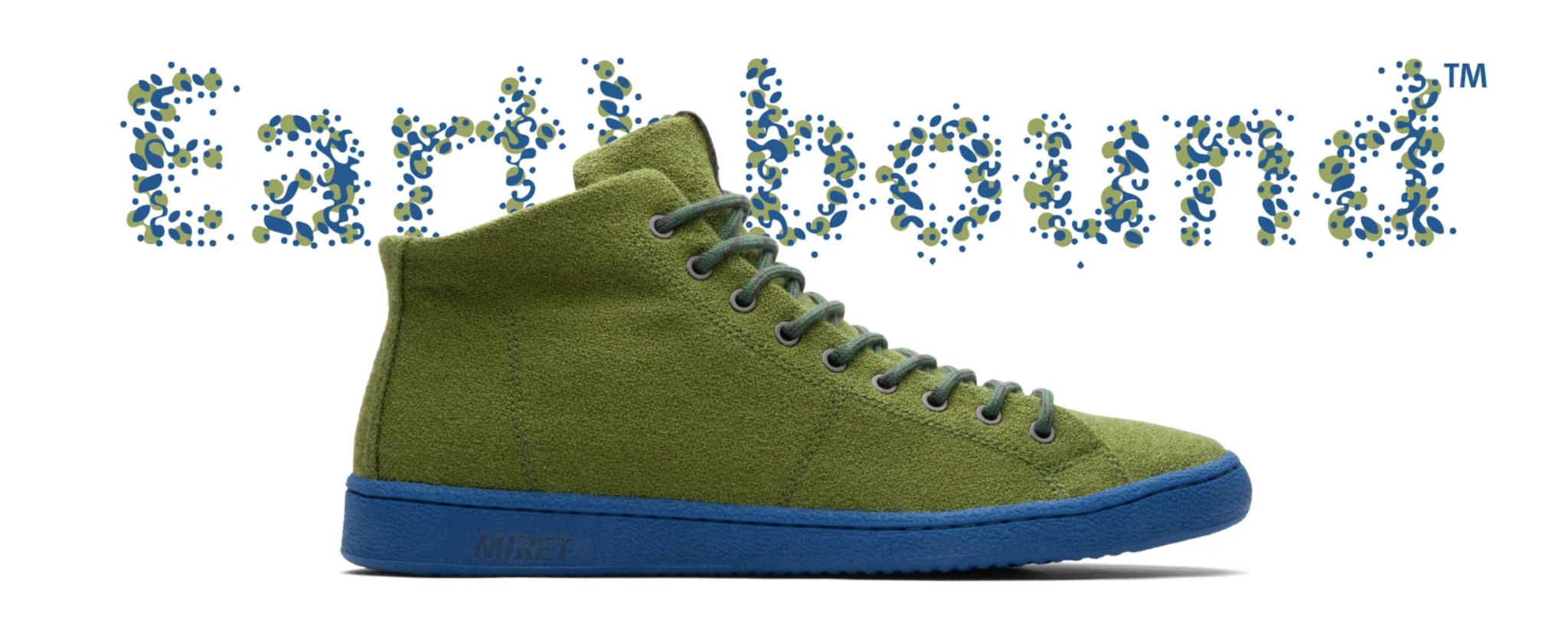
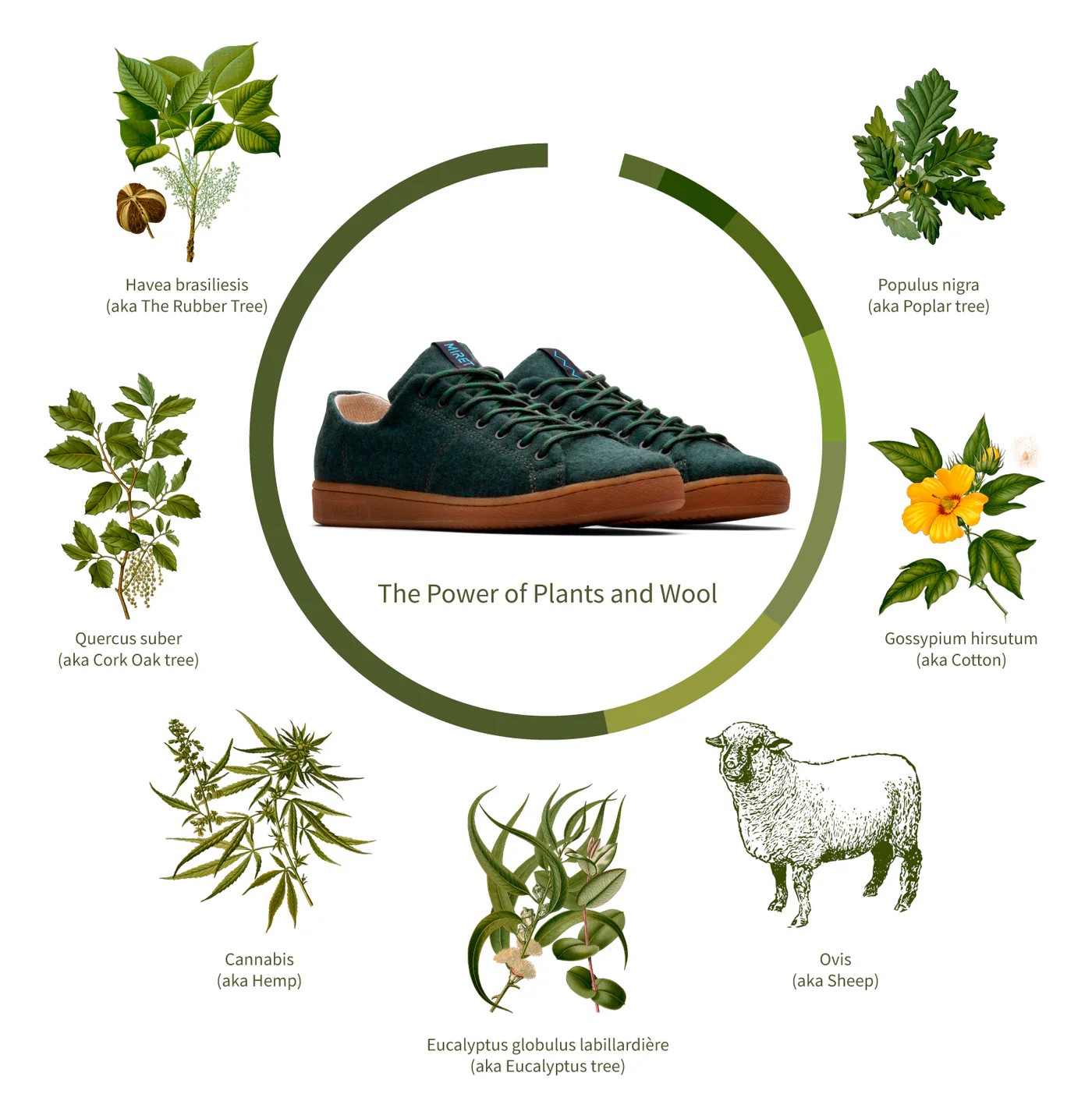
We sat down with Domagoj Boljar, CEO & Co-Founder of Earthbound, creators of ethically made products that put people, the planet, and the future of humanity first. For them, sustainability was never a positioning exercise—it was the product itself. From radically ecological sneakers made with 97% natural, carbon-based materials to a CO₂ footprint 65% lower than the industry average, the company’s claims were bold by design. But bold claims invite scrutiny. As a young startup navigating growth, investment, and visibility, Earthbound’s founders knew that saying the right things wasn’t enough; they needed a way to prove them, protect them, and ensure the mission couldn’t be diluted over time.
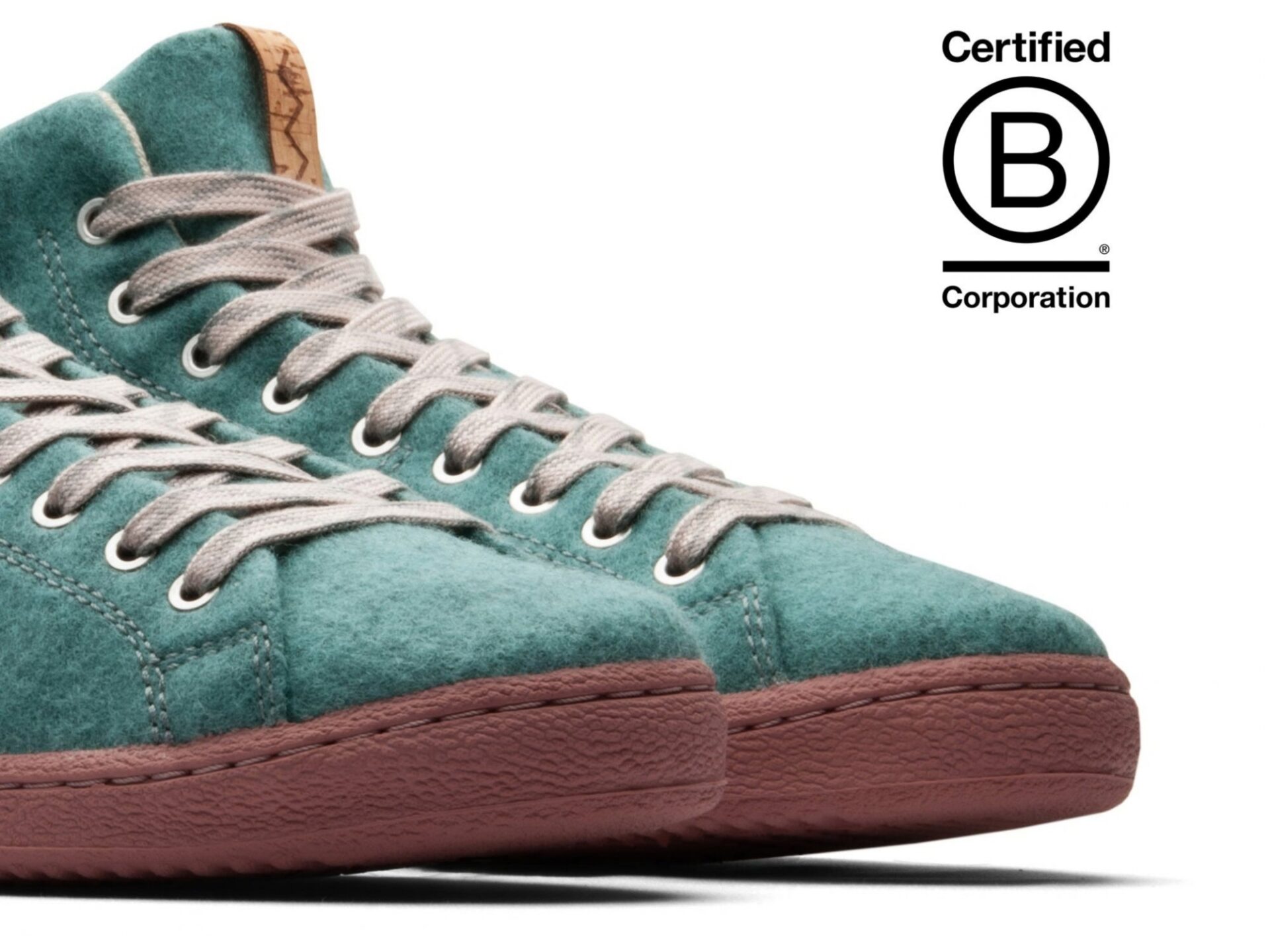
That realization led Earthbound to B Corp certification and became the framework that validated their science-based approach.
In this conversation, we explore why B Corp was the right choice, what it took to get there, and how certification now serves as both a management tool and a compass, guiding decisions, strengthening culture, and building trust across customers, employees, and markets worldwide.
SG: Did you decide to be a B Corp at the founding of your company, or later? What made the B Corp approach attractive to you?
DB: We take a scientific approach to ecology, which means the materials we use result in a 65% lower CO₂ footprint compared to the average footwear on the market. We also state that our sneakers are 97% natural and carbon-based. Because of this, our marketing claims are quite radical. When we launched our product, one of our biggest concerns was that consumers, shareholders, and other stakeholders might challenge our sustainability claims and label us as greenwashers. Another fear was that, as a startup that continuously raises investments, investors might eventually pressure us to deviate from our vision and mission. That’s why, about 2 years after the first launch, we identified B Corp as the best way to validate our claims through an independent, third-party certification.
SG: Why do you think running Earthbound as a B Corp is important?
DB: It’s important because it not only preserves our mission and vision from potential outside pressures but also helps shape our company culture. It’s not just about being devoted to our mission because we say so, but B Corp embeds that mission into the way we do business.
B Corp is also a management tool that drives us to improve constantly and provides a framework for our day-to-day actions. For us, B Corp is more than just a 'stamp'; it's a tool that helps us constantly push boundaries for social and ecological impact.
SG: How does being a B Corp support your company's mission and values?
DB: Our company was built on the foundation of a radically ecological approach that includes being kind to both nature and human health. For us, becoming B Corp certified felt like a natural step. We didn’t have to change the way we were doing things; the certification simply helped us structure and frame our existing practices. It also helps us stay focused on our values across the organization by providing a clear framework for decision-making at every step.
SG: Does your B Corp status help with customer acquisition?
DB: Some of our customers are already educated about what it means to be a B Corp, so it’s easier to communicate with them because they understand the significance. At the same time, it makes our overall messaging more reassuring. There are fewer questions or doubts about our sustainability claims, since the certification provides credibility.
SG: What else makes this mission critical for Earthbound?
DB: At some point, there might be some bigger changes in our company; we might be sold, bring in new investors, or face changes in global regulations. We’ve ensured that no one can interfere with our vision. Any deviation from it would create too great a reputational risk, so no one can attempt to push us off our path now.
SG: What has been hard, if anything, about the process of certification?
DB: As a small company, we had to dedicate a huge amount of time to the process. Every team member was involved, and the process, from the initial self-assessment to receiving the certificate, took about two years. It was very difficult to stay motivated, and several times along the way, we even considered giving up because of the length and uncertainty of the outcome. Another challenge was that we had to carefully think through parts of our business we had never really focused on before. Our main emphasis had always been ecology, but through B Corp, we had to structure and strengthen the social and governance aspects of our business as well. Overall, it helped us gain a deeper understanding of our company and ultimately brought stronger cohesion within our team.
SG: How has employee engagement helped to make being a B Corp successful?
DB: We are a small team of seven, and everyone has been with us from the start. They share the vision, values, and excitement of our products. But the process of becoming B Corp-certified has further raised awareness of the importance of this journey and our shared vision.
SG: Do your investors support B Corp status and process?
DB: Although our investors are not impact investors, there is strong awareness and regulation in Europe that ESG considerations should be incorporated into all investments. Our investors viewed the process very positively, especially the fact that we became the first B Corp in Croatia, pioneering sustainability. This was extremely well received by our investors at the time.
SG: Do you believe there are global differences in how consumers view B-Corp brands?
DB: In Croatia, we are pioneers, and the B Corp certification is not well recognized, so we still need to explain its meaning and values. In other parts of Europe, recognition is slightly higher. In the U.S., however, we’ve noticed that being a B Corp opens many doors in communication with customers, investors, and sales channels, removing many questions we would otherwise need to explain in Europe.
SG: Finally, how have you used B Corp in your marketing and messaging?
DB: It’s one of the first things we highlight in our brand story and communications. On social media, it’s always present in our bios, and we make sure to include it in all interviews and introductions. Visually, the logo is consistently placed in the footer of our newsletters and on our website. For us, B Corp is an important marketing tool that helps us differentiate from other brands, especially those focused on sustainability but without certification. It also allows us to connect more quickly with conscious consumers and potential partners, by giving us immediate credibility from the very first contact.